Our Featured Content
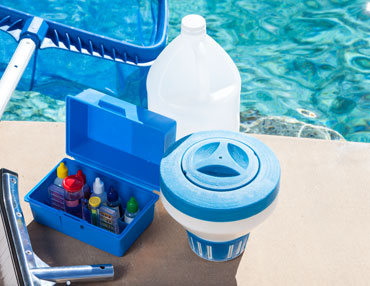
Are you swimming in a healthy pool? Use your Senses!
Ask a Pool Operator
Click here to see questions and responses so far
Our Latest Perspectives Posts
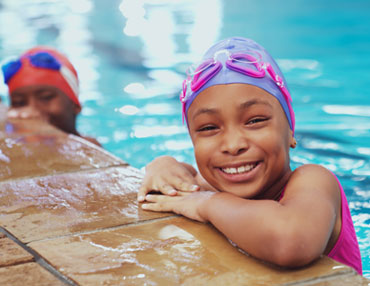
Survey Shows Parents Are Worried Kids are Diving into Technology Instead of Pools
Citing the health benefits of swimming, parents want kids to power off and dive in
WASHINGTON DC — With summer right around the corner, a new survey finds an overwhelming majority of parents are concerned that electronic devices are interfering with traditional family activities, including swimming, and see potential negative health and social consequences as a result.
The new Mason-Dixon survey, conducted on behalf of the Water Quality and Health Council, found that 86 percent of parents said electronics, such as video games, smart phones and tablets, interfere with traditional family activities. And 93 percent of parents are concerned that children are suffering negative health consequences from spending too much time on electronic devices instead of physical activities like swimming.
Given a range of choices, more parents chose “the smell of chlorine” as their strongest sensory summertime swimming pool memory but today’s children could be forming more battery-powered summertime memories: 94 percent of parents are worried their children spend too much time on electronic devices.
“The sights, sounds and smells of summer are real, not virtual,” said Chris Wiant, Ph.D., Chair of the Water Quality and Health Council. “For children, the distractions of electronic devices are proving to be tough competition for more physical activities like swimming. But it’s clear from this survey that parents want their children to power off and dive in.”
An overwhelming majority (84 percent) said they would like to see their children spend more time swimming this summer. That goal is within reach for many, since 88 percent of parents report that they have access to a pool.
Children Missing Out On Health and Social Benefits of Swimming?
When asked to prioritize the health benefits of swimming, parents credited swimming with improving children’s cardiovascular health followed by increasing strength and flexibility, developing motor skills, managing weight and managing asthma symptoms. In addition to the 93 percent of parents who are concerned about the health implications of spending too much time on electronic devices instead of swimming, 86 percent are concerned about the impact on children’s social skills.
“Parents are clearly worried that children may be missing out on the health benefits of swimming,” said Thomas M. Lachocki, Ph.D., CEO with the National Swimming Pool Foundation. “Water activities are unique since they are great for children, parents and grandparents. What a great way for generations to connect! It is certainly healthier than having the kids fiddling with controllers and adults fidgeting in recliners.”
Knowledge Gaps on Child Health, Asthma and Swimming Pools
One in four respondents did not know that swimming in a well-maintained pool with a proper chlorine level and pH is a healthy activity for children with asthma. More than half of respondents did not know that a well-maintained pool can reduce the risk of swimming-related ear infections and 23 percent did not know that a well-maintained pool can help reduce the risk of developing diarrhea from waterborne germs.
“Studies have shown that children with asthma may have fewer symptoms when swimming regularly compared with other asthmatic children,” said Michele Hlavsa, chief of the Centers for Disease Control and Prevention’s Healthy Swimming Program.
Tips for Keeping Kids Active This Summer
- Host a family meeting to discuss the appropriate balance of hours on electronic devices and hours spent exercising outside.
- Discuss the health benefits of being physically active and work with your children to set goals for themselves.
- Build family time into the schedule that involves face-to-face social interaction without electronic devices.
- Locate the municipal or public pool in your area.
- Make sure children learn to swim, and are supervised and swimming in a properly maintained pool.
To learn more about the Water Quality and Health Council and its efforts to raise awareness of the importance of disinfection for public health, please visit www.waterandhealth.org. As part of its summer healthy pools awareness initiative, the Council is making free pool test kits available to the public. To order a kit, go to www.healthypools.org.
The survey was conducted of 1,000 adults with at least one child between the ages of 5 and 14 nationwide. The survey was conducted by telephone, including both landlines and cell phones, from May 2 through May 9, 2013 by Mason-Dixon Polling & Research, Inc. The margin for error on the national results is +/-3.2%.
Technology vs. Fun in the Sun

Exposing the Roots of the “Green Hair and Chlorine” Myth
Swimmers, especially blondes, may be surprised – and even horrified – to discover that frequent pool use imparts a greenish hue to their hair. Typically chlorine in pool water is named as the culprit, sending the green-haired swimmer in search of products to remove the unwanted color or at least in search of a swim cap.
The green hair-chlorine connection is a firmly embedded myth: Almost half of respondents to our 2012 swimmer survey agreed that chlorine in the pool can turn hair green. We would like to expose this urban legend at its roots and offer an explanation of how it might have grown.
Copper, Not Chlorine, is Responsible for Green Hair
Green hair is caused by the presence of copper, not chlorine, in swimming pool water. Copper sulfate, for example, is added to pools to help control algae. Tiny particles of this greenish-blue compound can turn blonde or white hair green. Copper may also be leached into pool water from metal plumbing or from copper ionizer equipment and form copper sulfate in the water. One research study titled “The Green Hair Problem1” concluded that hair that had been extensively damaged–either by harsh cosmetic treatment or by exposure to sun and weathering–showed the highest degree of green coloration from absorbed copper.
To avoid an unwanted green tint:
- Wear a swim cap, or
- Use a shampoo formulated to help remove copper (yes, they exist) after swimming.
We suggest there could be a semantic reason for the chlorine/green hair linkage. The root “chloro” is Greek for “green.” Chlorophyll, for example, is the organic compound in plants that absorbs sunlight and lends a green color to leaves. In 1810 the chemical element chlorine was named for the greenish color of its gas. Nevertheless, chlorine does not impart a green color to pool water.
Chlorine is added to pool water to destroy bacteria, viruses and parasites in water that would otherwise put swimmers at risk for disease. Most chlorine is added to pool water in the form of compounds of chlorine that are either white solids or colorless liquids. Although some pools are designed to bubble chlorine gas into the water, the greenish chlorine gas reacts quickly with pool water to produce dissolved “free chlorine,” which is colorless.
Chlorine is a well-known pool chemical and its name implies the color “green.” We think it is conceivable that those two factors together helped shape a myth linking chlorine and green hair. Hopefully we have helped expose the roots of this myth and untangled the truth. Happy swimming!
1Bhat, G.R., Lukenbach, E.R., Kennedy, R.R. and Parreira, R.M. (1978). The green hair problem: A preliminary investigation, J. Soc. Cosmet. Chem., 30, 1-8.
How can a Parent Help Maintain the Fun and Decrease the Risks Associated with Water Parks?
Interactive spray fountains, splash parks and splash pads are popular summertime venues where kids can cool off and have fun in “zero-depth” or very shallow water. Many urban areas feature these venues; families discover they can beat the heat inexpensively without leaving the city. They are also found in amusement parks and as part of municipal pool complexes. But as enjoyable as interactive water features can be, they can also make kids sick when certain risky behaviors are practiced (and these risky behaviors are observed frequently).
Splish, Splash, Beware of Risky Behavior
Exposing buttocks to the spray of water and placing mouths over water spouts may expose kids to germs that can spread illness, especially diarrhea. According to a 2010 study by Nett et al., children who engage in these practices raise the risk of fecal contamination of play water. The researchers found these activities take place regardless of the presence of educational signs, hygiene attendants or adult supervisors.
What You Didn’t Bargain for in Water Parks
Exposing the buttocks, even if diapered or clothed, to interactive fountains increases the risk for fecal contamination of splash park water. (According to a 2000 study by Gerba, swimmers may have up to 10 grams of residual fecal material adhering to their skin.) Children squealing and laughing happily in water parks are likely to ingest some of the sprayed water, risking ingesting contaminants found in feces. The “fecal to oral route” of disease transmission, which public health professionals strive to interrupt, can be quite direct in water parks! Similarly, by placing their mouths over water spouts, children risk spreading germs from their mouths to others in the resulting spray.
A 2007 outbreak of cryptosporidiosis in a municipal park in suburban Idaho sickened roughly 50 people exposed to a splash feature there. Cryptosporidiosis is caused by the waterborne parasite cryptosporidium and is characterized by diarrhea or abdominal cramps, nausea, vomiting, fever or body aches. There are no effective antibiotics for cryptosporidiosis. A report by CDC following the outbreak noted “…young children were observed to be the predominant users of the splash park, and diapered children frequently sat on top of splash features. There was no opportunity for children to shower before enjoying the splash feature. Nearby restrooms lacked showers and even lacked soap for hand-washing.
Recommendations: The Short Run and the Long Run
How to Reduce Your Child’s Risk of Illness from Water Park Venues
- Shower or bathe children with soap before attending water parks, paying special attention to their bottoms.
- Discourage risky behaviors like sitting on water spouts or placing mouths over them.
- Do not drink water from water park play area.
- Change diapers only in designated areas.
- Do not permit children who have diarrhea to attend water parks.
In the short run, parents and adult supervisors can be vigilant in halting risky behaviors exhibited by children in interactive water parks, such as sitting on water spouts and covering water spouts with their mouths. But are adults even aware that these behaviors are risky? Interestingly, Nett et al. (2010) reported approximately one-third of splash park supervisors surveyed were unsure if splash parks can cause diarrhea; a small fraction perceived no link. Public education is needed.
Water used in these parks is usually filtered and disinfected, but risky behaviors can expose children to pathogens in the short interval of time that water is in the play area before being recirculated through the treatment process. In the long run, therefore, design barriers to disease transmission could be imposed in water play areas. Nett et al. (2010) suggest supplemental ultraviolet light disinfection of play water to provide added protection against chlorine-resistant pathogens, such as cryptosporidium (this was done at the site of the Idaho outbreak to reduce the risk of another outbreak). We agree, and also suggest the physical design of water parks could be altered to ensure water spouts are beyond the reach of children, such as a vertical shower design. We think this could help curtail the spread of germs via the troublesome exposure routes described here, clearing the path for pure summer joy.
Bruce Bernard, PhD, is President of SRA International, Inc. and Associate Editor of the International Journal of Toxicology.
Can Swimming Pools Go “Chemical-free”?
Pool manufacturers sometimes market their products as being “chemical free.” Chemistry 101 teaches us that claim cannot be true in a literal sense, as all matter–including pool tiles, concrete, plumbing and water–is composed of chemical compounds. But if we assume that the “chemical” of “chemical free” refers to treatment chemicals, such as chlorine and other products added to the water, the question becomes: Can swimming pools go “chemical treatment free”?
First: Control Germs
Little Known Facts about Swimming Pool Sanitizers
Salt water pools use chlorine to destroy germs. Chlorine is released by applying electricity to salt (sodium chloride) in salt water pools. In traditionally chlorinated pools, the chlorine is added as a chlorine-containing compound. Salt pool water may feel “silky” because of the presence of sodium in the water.
Chlorine or bromine-based sanitizers must be used with UV light. UV is effective against germs including chlorine-resistant parasites like Cryptosporidium and Giardia, but it must be used with chlorine or bromine for residual sanitation. UV systems work by circulating pool water past UV lamps, where germs are destroyed. But there is a lag time before which germs added in a distant area of the pool will be exposed to the UV light.
Copper and silver ions have sanitizing properties but by themselves are slow acting and do not provide a reliable residual. Therefore, copper and silver ions should be used in conjunction with chlorine, with which they act synergistically to enhance germ destruction.
Pool water must be sanitized to help control the germs introduced by swimmers. Researchers report that on average each swimmer introduces 0.14 grams of fecal matter to the pool; for children the amount is likely higher. (That little statistic should encourage swimmers to shower before swimming.)
Recreational water illnesses that can be contracted by exposure to even low levels of fecal matter in the water include diarrhea, swimmer’s ear and various skin infections. Swimming in a pool of water without sanitizer is comparable to immersing oneself into a large communal bath tub with the neighbors. Need more be said about the need to treat pool water by sanitizing it?
Pool Sanitizers
Destroying waterborne germs that can make swimmers sick is the goal of swimming pool sanitation. Sanitation can be carried out by adding chemicals or by subjecting pool water to ultra-violet (UV) light. Common sanitizing chemicals include the traditional chlorine-based sanitizers, chlorine generated from salt in saltwater pools, bromine-based sanitizers, copper and silver ions, and ozone gas. The following table provides information on these options.
Common Swimming Pool Sanitizers
| Pool Sanitizer | Common Name | EPA Registered? | Form | Sanitizing Agent | Provides Residual Protection? | Sensitive to UV Radiation in Sunlight?1 |
| Stabilized Chlorine2 | Trichlor and Dichlor | Yes | Solid | Chlorine | Yes | No |
| Unstabilized Chlorine | Cal-hypo, Bleach, Chlorine | Yes | Solid (Cal-hypo); Liquid (Bleach); Gas (Chlorine) | Chlorine | Yes | Yes |
| Halohydantoins and Sodium Bromide | Yes | Solid | Bromine | Yes | Yes | |
| Salt Water Pool | Salt pools | No | Chlorine generated by applying electricity to salt water | Chlorine | Yes | Yes |
| Ozone | Ozone | Yes | Gas | Ozone | Very short lived. | Yes |
| Copper and Silver Ions | Copper, Silver | No | Ions from electrolytic erosion of metal | Copper- Silver ions | Yes, but slow acting. | No |
| UV | UV | Yes | Radiation | UV Light | No | No |
All of the sanitizers in the table destroy germs, but only chlorine- and bromine-based sanitizers have staying power, meaning the provision of a reliable fast acting residual that results in continuous, efficient germ control lasting past the time of application. This is of utmost importance because the swimmers themselves introduce an unpredictable load of germs and impurities into the water. When pools are properly maintained—and this includes not only chemical but physical treatment such as filtration—chlorine- and bromine-based sanitizers provide a residual level of protection against the incursion of unwanted substances that can reduce pool water quality and make people sick. That is why many “alternative” pool sanitizers—including ozone, metal ions (minerals) and UV—still require a secondary level of protection, most often provided by chlorine-based sanitizers.
In conclusion, in order to maintain swimming pools as healthful recreational environments, they cannot go completely “chemical treatment free.” To claim otherwise is simply inaccurate.
Fred Reiff, P.E., is a retired official from both the U.S. Public Health Service and the Pan American Health Organization, and lives in the Reno, Nevada area.
1Sanitizers that are sensitive to UV radiation in sunlight lose their effectiveness more rapidly than those that are stabilized.
2Stabilized chlorine is chlorine chemically bonded to cyanuric acid; stabilized chlorine helps preserve chlorine from the destructive effects of UV radiation in sunlight.
The Chlorine Residual: A Public Health Safeguard
Chlorine and chlorine-based disinfectants are used worldwide to destroy germs in drinking water and swimming pools. One of the reasons for the widespread use of chlorine disinfectants is that they provide a “residual” level of protection against waterborne pathogens. A chlorine residual is a low level of chlorine remaining in water after its initial application. It constitutes an important safeguard against the risk of subsequent microbial contamination after treatment—a unique and significant benefit for public healthi.
What happens to chlorine when it is added to drinking water or swimming pools? According to the US Centers for Disease Control & Prevention’s Chlorine Residual Testing Fact Sheet, chlorine proceeds through a series of reactions:
- The Chlorine Demand is Satisfied: Upon initial dosing, chlorine reacts with any organic matter in water. The amount of chlorine used in these reactions is known as the “chlorine demand” of the water. Raw water taken from lakes and streams for drinking water treatment is likely to have a high chlorine demand based on the presence of natural organic material, e.g., decaying plant and animal matter. Groundwater, which normally contains far lower levels of organic matter, has a low chlorine demand.
- Combined Chlorine Forms: When the chlorine demand of the water is satisfied, some portion of the remaining chlorine reacts with nitrogen in the water to form compounds known as chloramines. Nitrogen-containing compounds may result from decaying organic matter in raw water secured for drinking water treatment. In swimming pools, swimmers add nitrogen-containing compounds to the water in the form of substances such as urine and perspiration. Chloramines may impart a chemical odor to water, which is sometimes inaccurately described as a “chlorine” odor. The chlorine that combines chemically with nitrogen and nitrogen-containing compounds is known as “combined chlorine.”
- Free Chlorine Destroys Germs: Chlorine remaining in water after the chlorine demand is satisfied and combined chlorine is formed is known as “free chlorine.” This is the chlorine portion available for disinfection. Many waterborne germs are either killed or rendered incapable of reproducing, helping to prevent waterborne disease outbreaks. The time required to destroy viruses, bacteria and parasites present in raw water at a given chlorine concentration varies with the organism and is known as the “contact time.”
- A Chlorine Residual Remains: Following a given contact time during which chlorine destroys germs, some chlorine remains in the water. This remaining, or residual level, acts as a safeguard against additional microbial contamination that, in the case of swimming pools, for example, could be introduced as more swimmers enter the pool. Chlorine and bromine are unique in their ability to impart this kind of protection. EPA requires all US facilities that treat water to maintain a chlorine residual of no more than 4 parts per million, whether chlorine is used as a primary disinfectant or not. Swimming pool operators generally maintain a chlorine residual of 1 to 3 parts per million. Swimming pools that are treated primarily with metal ions, such as copper, require a low level of chlorine to provide residual protection.
A Safety Marker Too
By monitoring the chlorine residual throughout a drinking water distribution system, water treatment operators can quickly identify points at which the residual declines or disappears. A sudden decline in the chlorine residual could indicate a leak in the drinking water distribution system. Swimming pool operators monitor the chlorine residual regularly. As the number of swimmers and conditions in the pool varies, the disinfectant level can be adjusted to maintain the chlorine residual.
In both drinking water and swimming pools, the chlorine residual represents a smart use of chemistry and provides a remarkable public health safeguard!
Chris Wiant, M.P.H., Ph.D., is president and CEO of the Caring for Colorado Foundation. He is also chair of the Water Quality & Health Council.
iOne other disinfectant—bromine–provides a residual level of protection in water. Bromine is used in swimming pools, but more frequently in spas. It is not used in drinking water disinfection.
Winter Swimming with Healthier Indoor Air
Indoor pools can provide a wonderful venue for exercise during cold winter months. Swimming is a full-body, aerobic workout that is easy on the joints while building muscle strength and tone (National Swimming Pool Foundation website). Yet, poor indoor air quality may be a deterrent to winter swimming. What causes poor indoor pool air quality, and what can be done to improve it?
The Culprit: Chloramines
Chloramines are the chemical compounds that produce that stinging, irritating odor around some pools. Many people attribute the distinctive odor to chlorine, but chlorine is only half of the story. What we smell are compounds known as chloramines. Chloramines form in pool water when two ingredients combine chemically: chlorine + organic nitrogen (amines) in natural waste products from swimmers. Chlorine is added to pools to destroy the waterborne germs that could make swimmers sick. Natural waste products from swimmers (here is where we must get graphic, sorry), include body oils, perspiration, urine and fecal matter.
Clearing the Air at the Indoor Pool
Swimmers:
✓ Shower before swimming
✓ Don’t pee in the pool
Pool Operators:
✓ Monitor and maintain appropriate pH and free chlorine levels
✓ Vacuum and brush the pool
✓ Shock treat the pool as needed
✓ Vent the indoor air to the outside
Reducing Chloramines: The Swimmer’s Role
Knowing how chloramines are generated in swimming pools helps us understand how to reduce them. Starting with the “natural wastes from swimmers” factor, swimmers should be encouraged to shower before swimming, paying special attention to the perianal area, where, as one researcher notes, on average, 0.14 g of feces is present (children are likely to have more). Using this statistic, a community pool holding 50 swimmers contains, on average, approximately 7 grams of feces. Feces contain pathogens on the order of one million per gram, so now our theoretical pool contains 7,000,000 pathogens. That’s 7,000,000 reasons why we want chlorine to be available to disinfect the water, and not “tied up” as chloramines.
In addition to showering before swimming, swimmers also should be encouraged not to “pee in the pool.” Olympic swimmers’ comments to the contrary, this is not an insignificant effect. The January, 2013 issue of Pool & Spa News quoted Maryland-based aquatic consultant, Frank Goldstein, as saying urine “may not have bacterial properties, but that doesn’t mean it’s not affecting the water chemistry.” The ammonia in urine and sweat, for example, deplete chlorine by combining with it. Instead of chlorine being available for disinfecting the water, it helps form smelly irritants. Chloramines are the reason for swimmers’ red eyes and itchy skin.
Reducing Chloramines: The Pool Operator’s Role
Every pool operator, whether formally trained for the role or not, should regularly check water quality (monitor pH and free chlorine levels to make sure they are within acceptable bounds), clean the pool and “shock it” as needed. Chloramines can be reduced in pools by “shocking” the pool when the pool is not in use. This involves temporarily raising the chlorine level to rid the pool of chloramines by chemical oxidation. Some pool managers shock pool water on a weekly basis to control chloramines. Another tactic is to vacuum and brush the pool daily to remove much of the dirt chlorine reacts with that has not been trapped in filters.
Because some chloramine formation in swimming pools is inevitable, and chloramines, being volatile, diffuse into the air, it makes sense to vent the air around the pool to the outdoors, replacing it with fresh air. Good ventilation is also important to reduce humidity levels in the pool environment. Although rising energy costs have made this measure more expensive in recent years, it is no less important in maintaining good indoor pool air quality.
Emerging from the locker room onto the pool deck and into a moist cloud of irritant-laden air is hardly conducive to a satisfying winter workout. Clearing out the chloramines, which is a team effort between the pool operator and the swimmer, can help.
Chris Wiant, M.P.H., Ph.D., is president and CEO of the Caring for Colorado Foundation. He is also chair of the Water Quality & Health Council.
Great Water Quality: Gold for Olympian Swimmers

Watch the full video here.
Swimming is one of the most refreshingly beautiful Olympic events to watch. Thanks to modern communications technology, this summer we are treated to crystal-clear underwater images of the world’s elite swimmers as they vie for the Olympic gold.
Water plays a First Place role in the lives of professional swimmers: There is the water through which they swim and the water they must ingest to remain properly hydrated.
Swimming Pool Water Quality
The London Aquatics Centre houses two 50-meter swimming pools and a 25-meter diving pool. Altogether, the pools hold 2.6 million gallons of water (10 million liters). What technology is responsible for the sparkling water through which the athletes glide to glory or defeat? For one thing, pool water is circulated through efficient filtration systems. Additionally, water is treated with chemicals, including chlorine-based disinfectants to prevent swimmers becoming ill with diarrhea, swimmer’s ear and various skin infections that untreated water can transmit.
Chlorine-based disinfectants serve two purposes: They destroy algae and most waterborne germs, and they react with—oxidize—small bits of organic debris and impurities introduced into pool water by swimmers. Chlorine levels (usually 1 – 3 parts per million) are maintained in part by adjusting the pH, or acidity level of pool water. Pool operators maintain pool water pH in the slightly basic range of 7.2 to 7.8 in order to ensure good germ destruction by chlorine while keeping the water comfortable for swimmers.
Pool operators must carefully monitor pool water chemistry, as chlorine may be depleted by substances inadvertently added to the pool, including swimmer perspiration, body oils and urine (see Understanding Pool Chemistry).
Hydrating the Olympians
The athlete’s high daily intake of 4-6 liters of water per day makes safe drinking water an extremely important commodity for the professional swimmer. Water makes up over 50 percent of the weight of the human body. It lubricates and cushions the joints, serves as a “shock absorber” inside the eyes and spinal cord and regulates body temperature and blood volume. No athlete could reasonably compete without access to safe, life-sustaining water.
Before drinking water protections were perfected over a century ago, the population of London was regularly devastated by cholera outbreaks spread by contaminated water. Today, in that same city, thanks to appropriate watershed protection, water filtration and disinfection, Olympian swimmers soar through huge pools of clean municipal water. At the same time, athletes, visitors and residents of London alike enjoy the health-giving benefits of safe drinking water.
Kudos to the amazing swimming Olympians…and the abiding water quality technologies by which they, and we, thrive.
Busting a Chlorine Swimming Pool Urban Myth
The Water Quality and Health Council would like to thank John Tesh for tweeting the results of our swimmer hygiene survey and for giving us an opportunity to address a very common urban myth.

Last week, musician, composer and radio talk show host John Tesh tweeted the finding from a recent Water Quality & Health Council survey that one in five swimmers admit to “peeing in the pool”. Tesh warns, “If you smell chlorine, stay out”. I appreciate the fact that Tesh raised this subject and respectfully submit that his tweet needs a tiny tweak.
A healthy chlorinated pool can emit a light chemical odor, especially if it is an indoor pool and one with less than ideal ventilation. It is good advice, however, to stay out of the water when a strong chemical smell pervades the air around any type of pool, indoor or outdoor. On this point John Tesh is absolutely correct.
What actually causes the distinctive, irritating smell around swimming pools is not chlorine–that’s an urban myth–but volatile substances known as chloramines. Chloramines form in pool water when chlorine combines with contaminants brought into the pool by swimmers. Think urine, perspiration, body oils and cosmetics. The truth is that cleaner swimming, not less chlorine, can help reduce the chloramine irritants that cause “swimmer red eye” and itchy skin. The Centers for Disease Control and Prevention’s swimmer hygiene tips recommend swimmers shower with soap before entering the pool (almost 70% of the survey respondents said they don’t do this routinely) and stop peeing in the pool.
The next sentence of Tesh’s tweet requires no tweaking at all: The smell gets stronger if there’s urine in the water. It is true that the more urine there is to combine with chlorine, the higher the level of unwanted, smelly chloramines in the pool. Following that thread, if chlorine is combining chemically with contaminants like urine, then it is not available to destroy germs in the pool that can make swimmers sick with diarrhea, swimmer’s ear and various skin infections.
Eighty-seven percent of respondents to the survey agreed with the urban myth that it is chlorine in pool water that makes swimmers’ eyes red and irritated. Ironically, the irritants actually responsible, chloramines, may be produced when there is not enough chlorine in the pool. The bottom line: Pool operators need to keep pool chemicals in appropriate ranges. Swimmers need to clean up their act. The proof will be in the air around the pool.
Swimmers can order free pool test kits from the Water Quality & Health Council to see if their pool pH and free chlorine levels are in the proper range.
Chris Wiant, M.P.H., Ph.D., is president and CEO of the Caring for Colorado Foundation. He is also chair of the Water Quality & Health Council.
Reducing the Risk of Pool Chemical Accidents
The summer swim season is here, and unfortunately so are the pool chemical-related health events. One event made national headlines in late June when about 70 people were taken to local hospitals and eight were hospitalized. However, many more of these events never make the headlines. In fact, the Centers for Disease Control and Prevention (CDC) recently reported that as many as 5,200 emergency room visits per year are due to pool chemical–related injuries. Almost half of these injuries take place at a residence.
Pool chemicals help protect swimmers from bacteria and other germs that can lead to recreational water illnesses (RWIs). However injuries can occur in or out of the pool when critical safety rules for storing and using pool chemicals are ignored. Inhaling fumes when opening pool chemical containers, mixing pool chemicals, attempting to pre-dissolve pool chemicals, and splashing chemicals in the eyes can cause injuries.
Fortunately, most of these injuries can be prevented by following safe chemical storage and handling practices. Be sure to:
- Read entire product labels before storing and using pool chemicals;
- Dress for safety by wearing appropriate safety equipment (for example, safety goggles, gloves, and mask) before storing and using pool chemicals;
- Lock chemicals up to protect people and animals;
- Never mix chlorine products with each other, with acid, or with any other substance; and
- Only pre-dissolve pool chemicals when directed by the product label
-
- If product label directs pre-dissolving, add pool chemical to water; NEVER add water to pool chemical.
While CDC’s Healthy Swimming Program continues to focus on preventing RWI’s caused by contaminated water, the Program is stepping up its efforts to prevent injuries caused by pool chemicals. To help spread the word to pool operators and backyard pool owners alike, we have developed poster-sized check-lists, which pool owners and operators can read or download by visiting Healthy Swimming Posters. This is another important tool to promote healthy swimming, and with the generous financial support of the American Chemistry Council we are in the process of printing and laminating 35,000 copies of each poster in English and Spanish. Remember, healthy swimming is no accident!
A Brief History of Municipal Swimming Pools
Lyons Pool is a popular municipal pool in Tompkinsville, Staten Island, NY, and an official New York City landmark. Constructed by the Works Progress Administration, it is one of eleven pools that opened throughout New York City in a single summer during the Great Depression (New York City Parks & Recreation website).
Photo courtesy of the Staten Island Advance.
Municipal swimming pools have evolved for more than 150 years from little more than public baths for the urban poor to the well-designed and scientifically operated facilities we know today. Author Jeff Wiltse documents the evolution of the public swimming pool in America in his 2007 book, Contested Waters: A Social History of Swimming Pools in America. Wiltse focuses on how US swimming pool history reflects changing social dynamics in America, including the erosion of Victorian culture, the emergence of popular recreation, and the racial integration of public spaces. It is a fascinating and insightful read, not only from the sociological standpoint, but also from the perspective of advancements in swimming pool technology.
Boston Pioneers with “River Baths”
Because cholera was thought to be associated with poor human hygiene in 1862, in the summer of that year the city of Boston opened six “river baths” in hope of preventing cholera outbreaks. The baths were enclosed structures housing large wooden tank-like pools submerged into the Charles River. River water circulated naturally between wooden boards spaced inches apart. Wiltse reports these popular baths attracted children and adults alike.
Six years later in 1868, Boston opened the first real municipal pool facility in the United States on Cabot Street in Roxbury. The facility featured two 20’ X 24’ pools, one for males and one for females. The goal was cleanliness for working men. “Bathers plunged their dirty bodies into the water and rubbed their skin clean,” says Wiltse, but, instead of serving mainly working men, children accounted for nearly 97 percent of the baths. Additionally, with water disinfectants not yet a reality, pool water had to be refreshed frequently by emptying and refilling, a significant cost that probably contributed to the facility closing after just eight years.
Municipal Pools Come of Age
Fast-forward to the 1920’s when Americans began to earn more and work less. The average work week had declined from 55 hours per week in 1910 to 48 in 1920. Suddenly Americans had more time for leisure activities, including swimming. According to Wiltse, pool construction accelerated and pool equipment businesses grew up. Swimming pool chlorination began, and public officials and newspapers aggressively publicized pool sanitation measures to alleviate long-standing fears of waterborne illnesses.
The swimming pool boom lasted until 1929 and the start of the Great Depression. It was reinvigorated in late 1933 when the US government initiated large civil works projects to put Americans back to work. Wiltse states that between 1933 and 1938, the federal government built almost 750 “New Deal” swimming pools and remodeled hundreds more. At that time pools were large—some larger than football fields— some featuring sandy beaches and pool decks where sun-bathing became a favorite American past-time.
The Decline of Municipal Pools
Racial integration and the booming post-war economy are reasons Wiltse gives for another major step in American swimming pool evolution: the proliferation of private swim clubs and backyard pools. Wiltse laments the decline of the American municipal pool.
Although municipal pools may not be as commonplace as they once were, the swimming pool, whether public or private, indoor or outdoor, remains a treasured venue for exercise, recreation and relief. The technology that has evolved to operate safe, healthful swimming pools is also used today to reliably maintain water parks, spas and hydrotherapy pools, all of which enrich our lives and health.
Fred Reiff, P.E., is retired from the Pan American Health Organization, and lives in the Reno, Nevada area.


Our Twitter Feeds
Keep in Touch
Email Subscription